
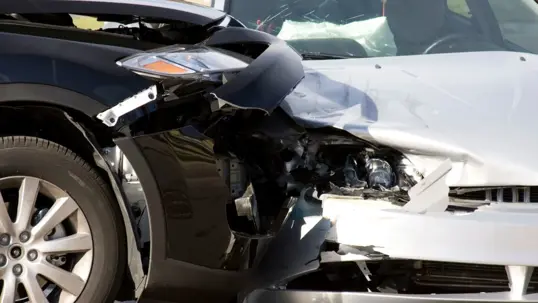
A multi-car accident can leave you dealing with painful injuries, vehicle damage, medical bills, and uncertainty about who should be held responsible. When several vehicles are involved, determining how the collision happened may be more complicated than identifying the driver who struck you. Each person's actions before and during the crash can affect the investigation and your ability to pursue compensation. Understanding how fault is evaluated can help you protect your rights while recovering.
Why Fault Is More Complicated in Multi-Car Accidents
In a collision involving several vehicles, one driver's actions may trigger a chain reaction that affects everyone behind them. However, the first impact does not automatically establish who is legally responsible for every injury or loss.
For example, a driver who follows too closely may strike a vehicle that stops suddenly. The impact could push that vehicle into another car, creating additional collisions. Investigators must examine the sequence of events to determine whether one or multiple drivers contributed to the crash. Establishing fault requires evidence of each driver's conduct and its connection to the resulting injuries.
Evidence That Can Help Establish Fault
Physical evidence and witness accounts can help explain what happened before, during, and after a multi-car collision. Important evidence may include:
Police reports: These may document the crash scene, statements from drivers and witnesses, road conditions, and any citations issued. A report can support an investigation, although it does not automatically settle civil liability.
Photographs and video footage: Vehicle damage, skid marks, debris, traffic signals, and nearby surveillance or dashcam recordings may help establish the order of impacts and the positions of the vehicles.
Witness statements: Independent witnesses may provide details about speeding, sudden lane changes, distracted driving, or other behavior that contributed to the collision.
Medical records can also connect injuries to the accident and document the treatment required. Preserving available evidence early is important because vehicle damage may be repaired, video footage may be overwritten, and witnesses' recollections may fade. An investigation can bring these details together to develop a clearer account of the crash.
How Driver Behavior Affects Liability
Drivers have a responsibility to operate their vehicles with reasonable care. Speeding, following too closely, distracted driving, unsafe lane changes, and failing to yield can all contribute to a multi-car accident.
Investigators consider whether a driver's actions fell below the required standard of care and whether those actions helped cause the collision. For instance, a driver who is texting may fail to react to slowing traffic, while another driver may contribute by leaving insufficient stopping distance.
Not every driver involved in a crash is necessarily negligent. A vehicle may be struck despite its driver's reasonable efforts to avoid a collision. Liability depends on the circumstances and available evidence, not simply on how many vehicles were damaged or where each vehicle ended up.
How Iowa's Comparative Fault Rules Apply
Iowa follows a modified comparative fault system, which can affect whether an injured person receives compensation and how much they may recover. Under Iowa Code section 668.3, the injured person's share of fault matters when damages are determined.
Key points include:
Shared responsibility: More than one driver may contribute to a collision, and fault may be assigned according to each person's responsibility.
Reduced compensation: An injured person’s recoverable damages are generally reduced by their percentage of fault.
Limits on recovery: An injured person generally cannot recover damages if their fault is greater than the combined fault assigned to the parties against whom recovery is sought.
Insurance companies may disagree about how responsibility should be divided. Reviewing the evidence carefully is important when a proposed fault allocation does not reflect what actually happened.
What to Do After a Multi-Car Collision
Your actions after a crash can help protect your health and preserve information relevant to a potential claim. Seek medical attention promptly, even if your injuries do not seem serious at first. Some symptoms may develop hours or days later.
If it is safe to do so, photograph the scene, record the other drivers' information, and obtain contact details from witnesses. Keep copies of medical records, repair estimates, and expenses related to the accident. Avoid guessing about the cause of the crash or accepting blame before the circumstances are clear. Be cautious when discussing the collision with insurance representatives, and consider obtaining legal advice before agreeing to a settlement.
Protect Your Rights After a Multi-Car Accident
Determining fault after a multi-car accident requires careful attention to the evidence, the sequence of impacts, and the actions of everyone involved. Disagreements over responsibility can complicate an already stressful recovery, especially when injuries and expenses continue to accumulate.
At Cornell Injury Law, we understand how difficult it can be to manage the aftermath of a serious collision while trying to determine your next steps. Contact Cornell Injury Law at (319) 469-8019 to discuss your accident, understand your legal options, and learn how our team can help you pursue the compensation you may be entitled to under Iowa law.